When a plunger and a drain snake aren’t cutting it anymore, hydro-jetting is the answer. It’s the most powerful, most thorough method available for cleaning drain and sewer lines, and it’s one of the services we recommend most to Woodbridge homeowners dealing with stubborn or recurring clogs.

At 1 Stop Mechanical, we’ve been providing hydro-jetting services to homes and businesses throughout Woodbridge, Lake Ridge, Dale City, and Prince William County for over 25 years. We use professional-grade equipment that blasts water at up to 4,000 PSI through your drain lines, removing grease, scale, tree roots, and years of accumulated gunk that snaking alone can’t touch.

What Is Hydro-Jetting?

Hydro-jetting uses a specialized nozzle attached to a high-pressure hose that’s inserted into your drain or sewer line. The nozzle sprays water in multiple directions at extreme pressure, scouring the entire interior surface of the pipe. Think of it like pressure washing the inside of your plumbing.

Unlike a drain snake, which punches a hole through the clog and calls it a day, hydro-jetting removes everything. Grease coatings. Mineral scale. Soap buildup. Even tree roots that have started working their way into pipe joints. When we’re done, the inside of your pipe looks close to new.

Hydro-Jetting vs. Drain Snaking

Both methods have their place, but they’re not interchangeable. Here’s the honest comparison:

Drain Snaking

  • Uses a rotating metal cable to break through or pull out clogs
  • Works well for solid obstructions like toys, rags, or heavy hair clogs
  • Only clears a path through the blockage, doesn’t clean the pipe walls
  • Good for quick fixes and accessible clogs
  • Less expensive per visit, but clogs often come back faster

Hydro-Jetting

  • Uses high-pressure water to scour the entire pipe interior
  • Removes grease, scale, roots, and all buildup from pipe walls
  • Cleans the full diameter of the pipe, restoring flow capacity
  • Results last months or years, not days or weeks
  • Higher upfront cost, but saves money long-term by preventing repeat service calls
  • Environmentally friendly. No chemicals, just water.

For most Woodbridge homeowners dealing with recurring kitchen drain clogs or slow main sewer lines, hydro-jetting is the better investment. You pay once and the problem stays gone.

When Do You Need Hydro-Jetting?

Not every clog requires hydro-jetting, but there are clear situations where it’s the right call:

  • Recurring clogs. If the same drain keeps backing up every few months, snaking is just a temporary fix. Hydro-jetting removes the buildup that’s causing repeat blockages.
  • Grease-clogged kitchen lines. Grease coats pipe walls and hardens over time. Snaking breaks through it temporarily, but hydro-jetting strips it all away.
  • Slow main sewer line. When multiple fixtures drain slowly or you’re getting gurgling sounds from toilets, the main line probably has significant buildup. Hydro-jetting is the fastest way to restore full flow.
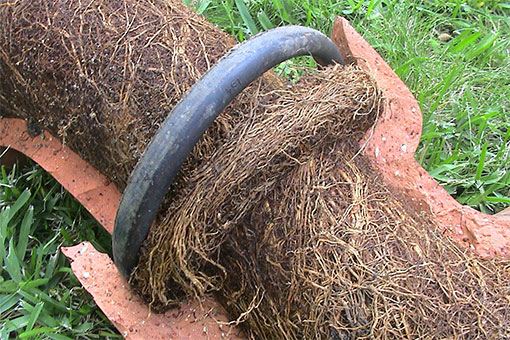
  • Tree root intrusion. Mature trees in Lake Ridge, Dale City, and Montclair neighborhoods send roots into sewer line joints. Hydro-jetting cuts through small to medium root intrusions and flushes them out.
  • Before sewer pipe lining. If you’re having your sewer line relined with CIPP pipe lining, the pipe needs to be thoroughly cleaned first. Hydro-jetting is the standard preparation method.
  • Preventive maintenance. Smart homeowners schedule hydro-jetting every 1 to 2 years to prevent clogs before they happen. It’s especially valuable for homes with older pipes or heavy tree coverage.
  • Commercial properties. Restaurants, office buildings, and multi-family properties benefit enormously from regular hydro-jetting. See our commercial plumbing services.

How Our Hydro-Jetting Process Works

We don’t just show up and start blasting water into your pipes. There’s a method to it, and doing it right matters.

Step 1: Camera inspection. Before we hydro-jet, we run a video camera through your drain line to see exactly what we’re dealing with. This tells us the type and location of the blockage, the condition of the pipe, and whether the pipe can safely handle high-pressure cleaning. Older pipes with cracks or heavy corrosion may need a different approach.

Step 2: Access point selection. We identify the best cleanout or access point to insert the jetting hose. Most Woodbridge homes have a main cleanout near the foundation or in the front yard.

Step 3: Hydro-jetting. We feed the specialized nozzle into the pipe and activate the high-pressure water. The nozzle design creates both forward-cutting and backward-flushing action, which means it propels itself through the line while cleaning. We adjust pressure based on pipe material and condition.

Step 4: Post-cleaning inspection. We run the camera through again to verify the line is clean and check for any underlying issues like cracks, bellies, or offset joints that might need repair.

Step 5: Recommendations. Based on what we find, we’ll let you know if your lines are in good shape or if there are issues that should be addressed. No upselling. Just honest assessment.

Is Hydro-Jetting Safe for Your Pipes?

This is one of the most common questions we get, and the answer is yes, when it’s done by a professional who inspects the pipe first.

Hydro-jetting is safe for:

  • PVC and ABS plastic pipe
  • Cast iron pipe in reasonable condition
  • Clay pipe that’s structurally sound
  • Copper drain lines
  • Concrete pipe

We adjust the water pressure based on what the camera inspection reveals. A newer PVC line can handle full pressure. An older cast iron line with some corrosion gets a lower setting. A pipe that’s cracked or collapsed needs repair, not jetting. That’s why we always inspect first.

Many Woodbridge homes in Dale City and Lake Ridge have original clay or cast iron sewer lines from the 1970s. We know how to work with these older pipes safely and will always tell you if hydro-jetting isn’t appropriate for your situation.

Hydro-Jetting for Woodbridge Area Homes

Woodbridge’s geography and housing stock create specific drain and sewer challenges that hydro-jetting addresses particularly well:

  • Clay soil: The heavy clay soil throughout Prince William County shifts and settles, creating low spots (bellies) in sewer lines where debris accumulates. Hydro-jetting flushes these areas clean.
  • Mature trees: Established neighborhoods like Lake Ridge and Montclair have large trees with aggressive root systems. Roots find their way into pipe joints and grow over time. Regular hydro-jetting keeps roots in check between more permanent repairs.
  • Older pipe materials: Cast iron and clay pipes develop internal scaling and corrosion that reduces flow capacity over decades. Hydro-jetting restores that capacity.
  • Hard water: Woodbridge’s relatively hard water contributes to mineral scale buildup inside drain lines, further restricting flow.

Frequently Asked Questions

How much does hydro-jetting cost in Woodbridge?

Hydro-jetting typically costs more than basic drain snaking but delivers significantly longer-lasting results. The exact price depends on the length and size of the pipe, the severity of the blockage, and accessibility. We provide an upfront quote after our camera inspection so you know exactly what you’re paying before we start. Call (703) 491-6542 for a free estimate.

How often should I have my drains hydro-jetted?

For most Woodbridge homes, every 1 to 2 years is a good preventive maintenance schedule. If you have large trees near your sewer line or a history of grease buildup, annual jetting is a smart investment. Commercial kitchens may need it quarterly depending on volume.

Can hydro-jetting damage my pipes?

Not when done properly. We always perform a camera inspection before jetting to assess pipe condition. If your pipes have cracks, heavy corrosion, or structural damage, we’ll recommend repair or replacement instead of jetting. Our technicians adjust water pressure based on pipe material and condition.

Will hydro-jetting remove tree roots?

Yes, hydro-jetting effectively cuts through and removes small to medium tree root intrusions. For severe root blockages, we may combine jetting with mechanical root cutting. Keep in mind that if roots have entered your pipe, the pipe has openings that will allow roots to return over time. We can discuss long-term solutions like pipe lining to prevent future root entry.

Is hydro-jetting better than chemical drain cleaners?

Absolutely. Chemical drain cleaners are corrosive, toxic, and rarely effective on serious clogs. They damage your pipes over time, harm the environment, and often don’t work at all on grease or root blockages. Hydro-jetting uses only water, cleans the entire pipe, and doesn’t damage anything. It’s not even a close comparison.

Can you hydro-jet a toilet drain?

We typically don’t hydro-jet through the toilet itself, but we can access the drain line downstream from the toilet via a cleanout. If you’re dealing with repeated toilet backups, the issue is likely in the branch line or main sewer line, and hydro-jetting can absolutely address that.

Schedule Hydro-Jetting Service Today

Stop dealing with drains that keep clogging. Hydro-jetting gets your pipes truly clean, not just temporarily unclogged, and keeps them flowing freely for months or years.

Call 1 Stop Mechanical at (703) 491-6542 to schedule a hydro-jetting appointment or request a camera inspection. We serve all of Woodbridge, Lake Ridge, Dale City, Dumfries, Montclair, and the surrounding Prince William County area.

Learn more about our full range of drain cleaning services or visit our residential plumbing page to see everything we offer.